Do you want to eat more plants but don’t know where to start in Moldova? This guide shows you the basic steps: which traditional dishes are already vegan, what to ask when you eat out, and where to find more detailed material on uvem.org. You don’t need any special products to begin.
In short
- Many Moldovan dishes (plain mămăligă, zacuscă, bean purée, pickles) are vegan or easy to adapt.
- Orthodox fasting is a useful shortcut: during it, many restaurants offer a meat-free fasting menu.
- Always ask about sour cream, cheese, butter, and eggs in dough and sauces.
- Start gradually, with 2-3 meals a week, and add more as you gain confidence.
Why a local guide
Information about vegan life in Moldova is scarce, and most guides are written in English for tourists. We at the Vegetarian Union of Moldova have been active since 2003 and want to gather practical information in one place, in your language. You can read more about us on the About us page.
You are not alone on this path. In neighbouring Romania, a Danone survey cited by vegconomist shows that 39% of Romanians consume plant-based products, up from 30% a year earlier, and a ProVeg and Smart Protein Project report indicates 27% flexitarians. The data is not about Moldova, but it shows a regional direction: more and more people are cutting back on meat.
Moldovan dishes that are already vegan
Traditional cuisine has a rich plant-based foundation. A travel guide dedicated to Moldova mentions, among others:
- mămăligă (cornmeal porridge) made only with water and salt (ask for it without cheese, eggs or meat);
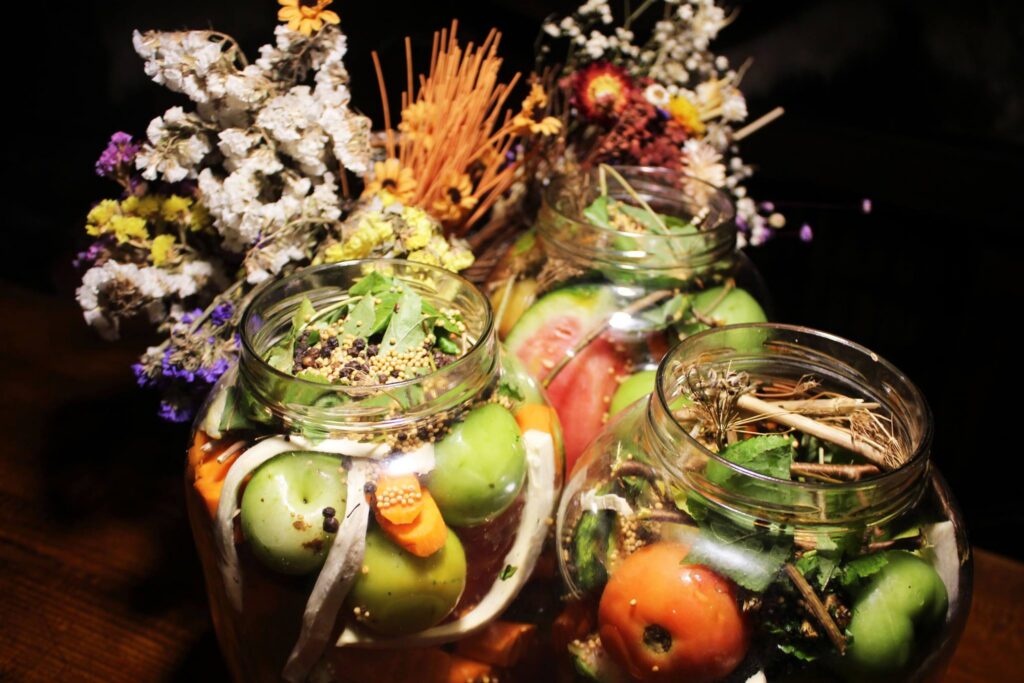
- zacuscă and eggplant salad, i.e. eggplants roasted over embers and mixed with tomatoes, onion and parsley;
- fasolița, a purée of white beans with fried onion;
- ghiveci, a vegetable stew;
- pickles and vegetable salads.
Watch out for dishes that look vegetarian but may contain dairy or eggs: pies (plăcinte, where the dough may contain kefir, butter or eggs), dumplings (colțunași) and cabbage rolls served with sour cream. Pies made during fasting periods are usually dairy-free.
Fasting: the easiest starting point
During Great Lent and the Nativity Fast, many restaurants offer a “fasting menu” (in Russian, “постное меню”), and dishes such as sarmale or borscht are cooked without meat. Wednesdays and Fridays are fasting days for practising Orthodox Christians, so some kitchens prepare meat-free food on those days. If you want cooking ideas, follow the Recipes category, where we gradually add fasting and vegan recipes.
Keep in mind, though, that Orthodox fasting is not the same as veganism: some versions may include fish on certain days, so always ask what a dish contains.
Eating out: three useful questions
- Is there a fasting menu? It is the simplest option.
- Can the dish be made without sour cream, cheese or butter? Dairy-based sauces are common.
- What is the dough made with (eggs, milk, kefir)?
Staff can usually tell you what is used. We are not publishing a list of venues yet: we will do so only after verifying each piece of information from two sources, so that we do not give you wrong data. Until then, see the Moldova guide category.
First steps at home
- Choose 2-3 meals a week without animal products and repeat dishes you already know: vegetable soups, beans, potatoes with mushrooms, mămăligă with vegetables.
- Read labels: some products contain hidden animal ingredients.
- Learn about nutrients. On the site we have material on the nutrients in a vegan diet and what to eat when you go vegan.
- If you are interested in the ethical reasons, read the article Animals, written calmly and without reproach.
The information in this article is for guidance only and does not replace the advice of a doctor or a nutritionist. On a vegan diet, vitamin B12 must be supplemented; we will cover this topic, with official sources, in a dedicated article.
What’s next
This is the first article in a guide that will grow: fasting recipes, nutrition, places to eat and shop. If you have an experience or a question, write to us at alistar@uvem.org.
Sources
- Travel Expertly: Vegan and vegetarian food in Moldova
- vegconomist: Romanians consume plant-based products (24.04.2024)
- Photo: Flavius Frantz / Wikimedia Commons, CC BY-SA 4.0

Updated: 25 October 2026
Also read: Fasting food: what you can eat, explained simply.
Spotted a translation error? Please tell us via the Contact page.